Buying guide
How to specify office chairs for a whole floor
DecArt Team · 26 Jul 2026 · 3 min read
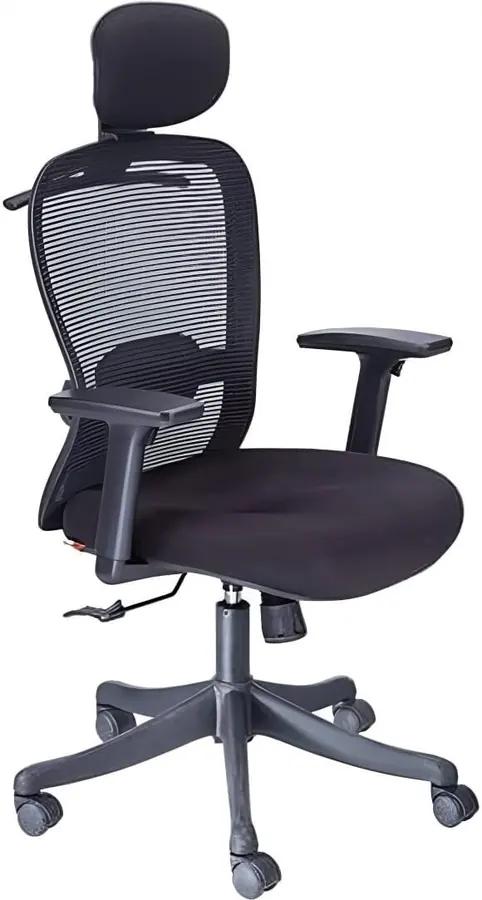
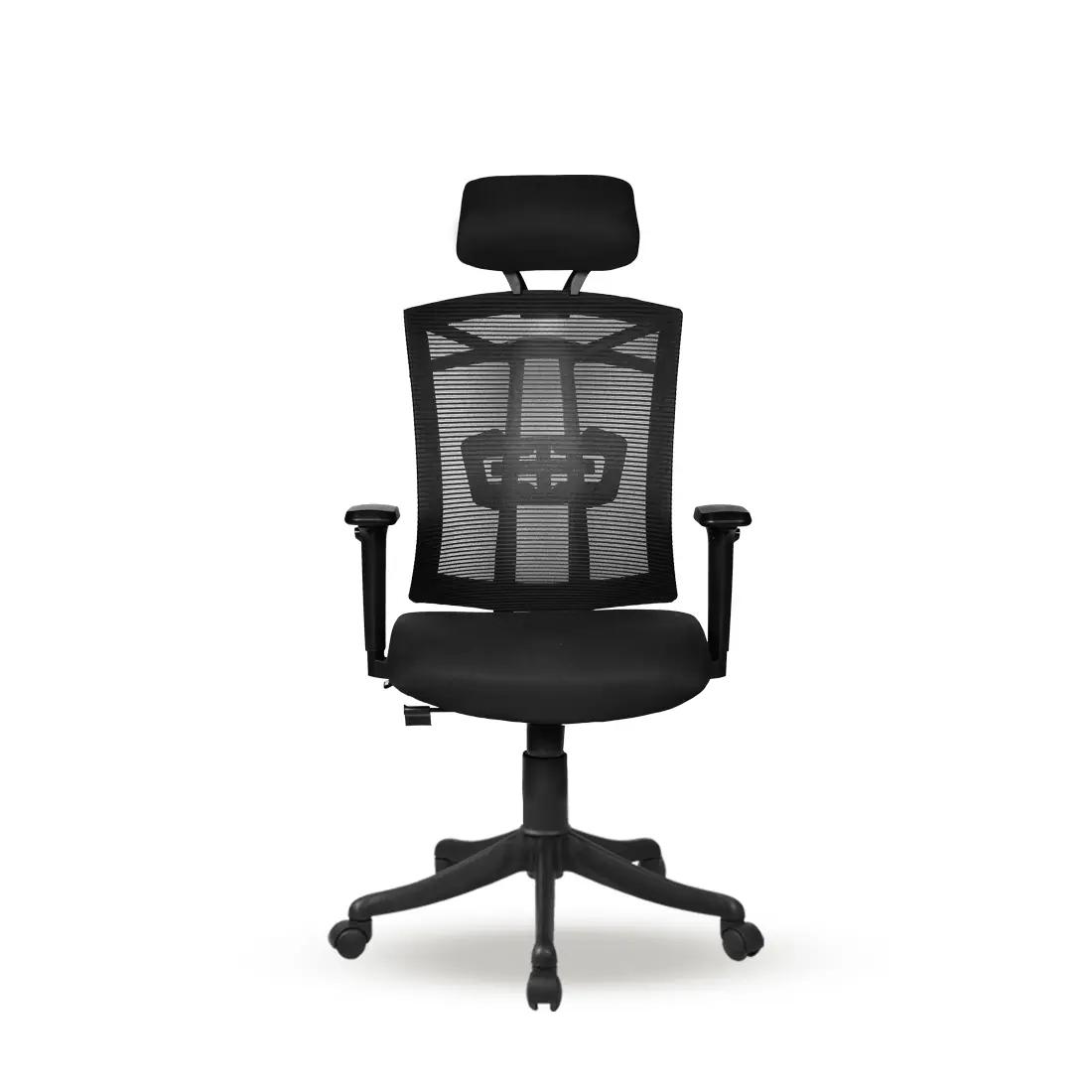
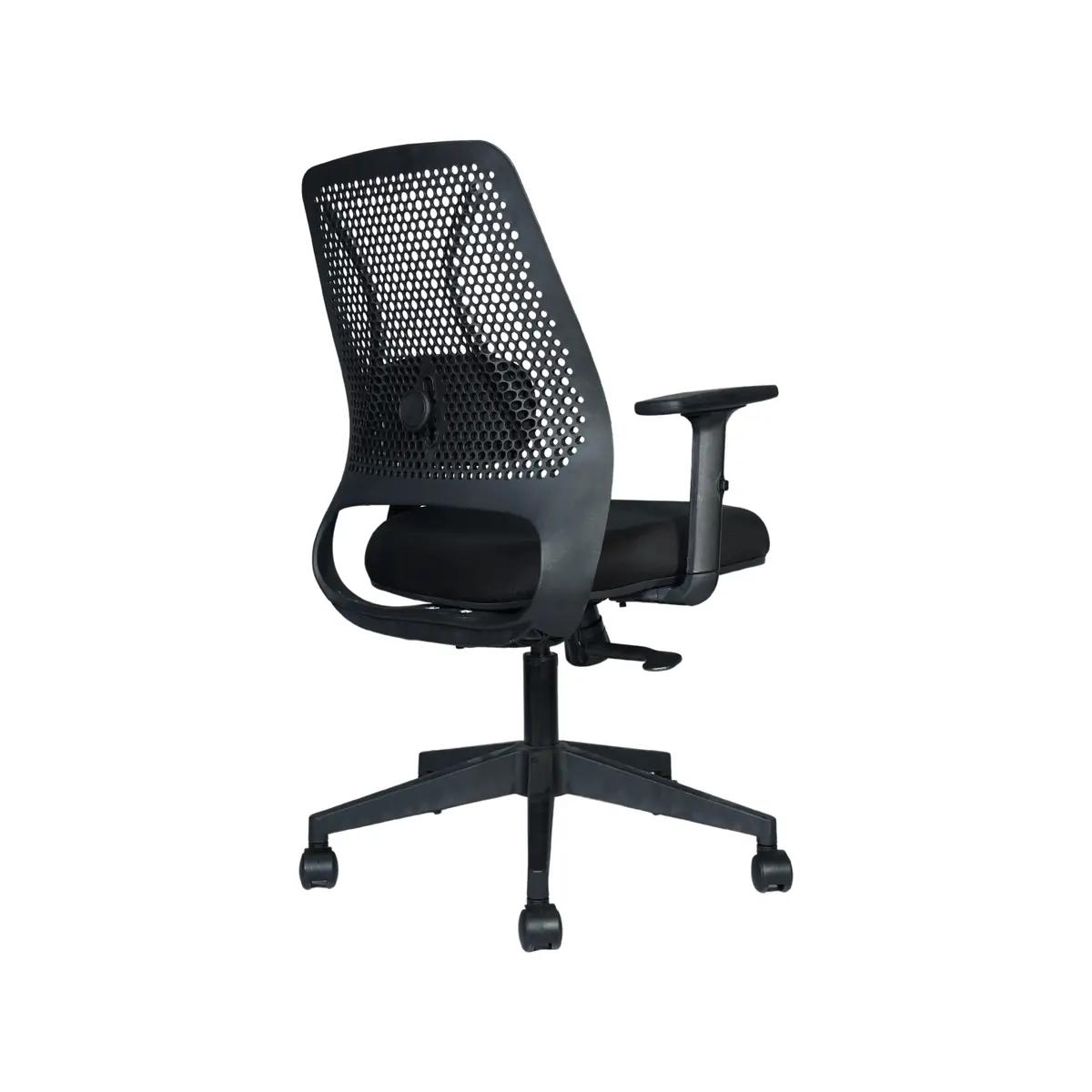
Buying one chair is a matter of taste. Buying two hundred is a specification problem — and the difference between a floor that still looks right in year five and one that is being replaced in year two usually comes down to six decisions made at quotation stage.
1. Start from the shift, not the showroom
A chair used for a nine-hour shift needs a different build to one in a meeting room used twice a week. Before comparing models, split the floor into how the seats are actually used: full-day workstations, cabins, visitor and meeting rooms, training, and break-out. Most floors need three or four specifications, not one — and the savings on the low-use seats usually pay for the better build where people sit all day.
2. The mechanism is the chair
Everything else is upholstery over a frame. Ask which mechanism is fitted and what it does:
- Synchro tilt — back and seat recline at different rates, keeping feet flat. Right for full-day desks.
- Multi-lock — the recline can be fixed at several angles rather than just free or locked.
- Knee tilt — the pivot sits forward, so the front edge stays put as you lean back.
- Fixed / cantilever — no mechanism at all. Correct and cheaper for visitor and training seating.
A tilt-tension adjustment matters more than it sounds: without it, a 50 kg user and a 100 kg user cannot both be comfortable in the same chair.
3. Gas lift class and castors
The gas lift is the part that fails first on a cheap chair. Ask for the class and for the test report — we specify Class 3 and Class 4 lifts and can pass on the supplier's BIFMA/SGS test documentation with the quotation. Castors matter almost as much: hard nylon for carpet, soft PU for vinyl, wood or tile. Fitting the wrong one either damages the floor or makes the chair feel stuck.
4. Foam density, not foam thickness
Thickness is what a showroom sells; density is what survives. High-density moulded polyurethane foam holds its shape through years of daily use, where cut foam of the same thickness flattens. Ask for the foam type in writing — this is one of the easiest places for a quotation to be quietly downgraded.
5. Decide the colourways before you order, not after
Zoning a floor by team or department is much cheaper at order stage than later. Many of our mesh models carry a dozen or more standard combinations, so departments can be colour-coded without changing model or price. Project quantities can also be matched to a shade you send us.
6. Put the specification in the PO
Whatever is agreed verbally, the purchase order should name the mechanism, the gas lift class, the foam, the castor type, the upholstery, and the warranty terms per component. A quotation that lists these line by line is one you can hold someone to. One that says only "executive chair" is not.
What we would send you
Tell us the seat count, how each zone is used, and the site city. You will usually get a working quote the same day, with the component specification stated line by line — and a sample chair before a large order is normal, not a favour.